
Alla Puttanesca
with Panayiota Soutis


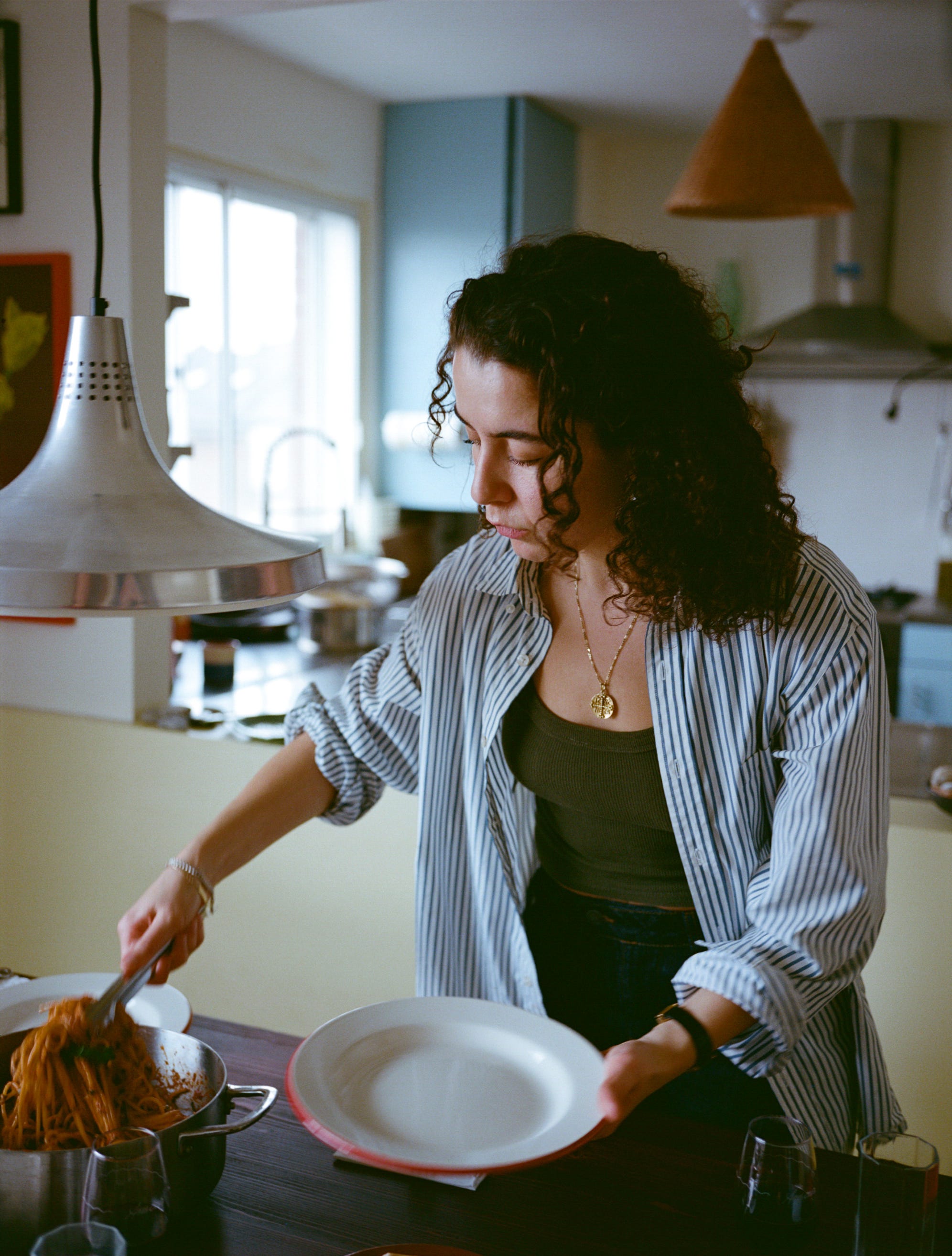
Poutána is a misogynistic word. A derogatory term by all accounts, and across several European languages. Taken from the Latin, passed onto the Greeks by the Italians, it’s thrown around brazenly in modern Greek if you’re feeling frustrated, unlucky or pissed off. Hearing the word, said with rage, immediately makes me warm. It probably shouldn’t, but the vigour with which it’s delivered reminds me of how much fire is in the Mediterranean spirit – and that’s within my soul. Which, if left bottled up for too long, makes me itchy and jaded, losing my sense of self, my energy to fight and my lust for life.
I grew up eating Kalamata olives out of the large, soft palm of my dad’s hands. The first time I tried one - I was around two, standing by the kitchen sink - he didn’t tell me to spit out the stone, so I swallowed it whole. I’ve loved olives ever since, from the pitted painted-black ones to the meaty green guys, the shrivelled up salt bombs to the teeny tiny bitter beads. Visiting my family’s olive groves in Greece and glugging fresh-pressed oil out of a plastic water bottle onto salad, driving past trees lining city streets and country lanes and running my fingers through their silver leaves, I feel attached – to a place, a culture and a way of life.
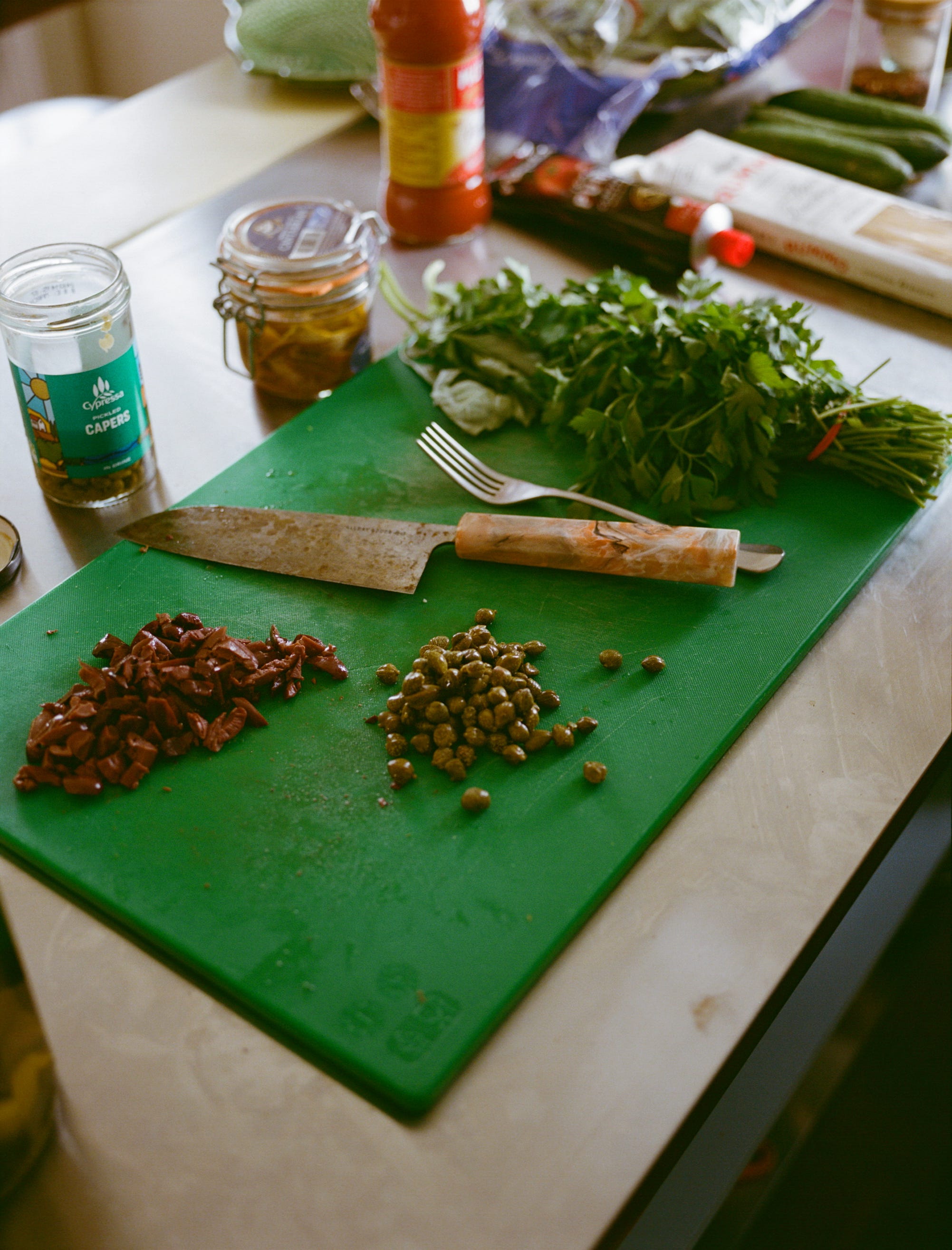
Olive trees are ancient, they’ve seen so much, they’re a sign of peace and yet, they’re suffering through our society’s perpetual state of greed and inhumanity. To not dampen the mood too much here, I’ll move on, past capers and anchovies - two ingredients I was keen on as a child, being of the belief that a mature palate was the epitome of sophistication - to spaghetti.
When slicked with sauce, a simple thing turns sensual, begging to be slurped with hunger and a disregard for politeness. With no other pasta shape do I feel like Sophia Loren, oozing sex appeal as I cook. I stand by the hob, dropping my head back to thread a boiling strand down my throat, checking its doneness. In that moment, I sense that I too am an icon.
So, with Sophie coming round to photograph me cooking, the only thing that made sense to make, as joy-inducing and forgiving as it is, was spaghetti alla puttanesca.
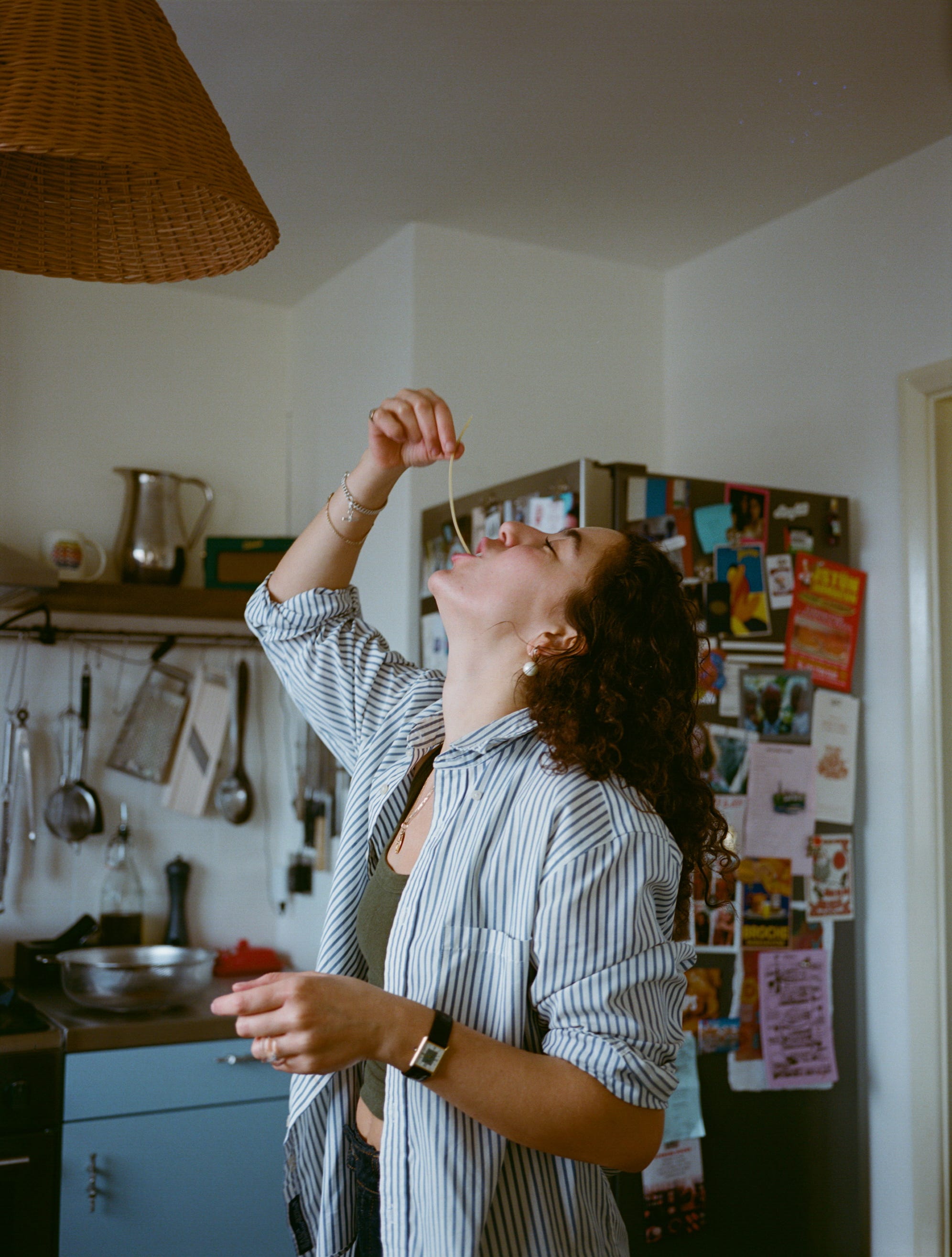
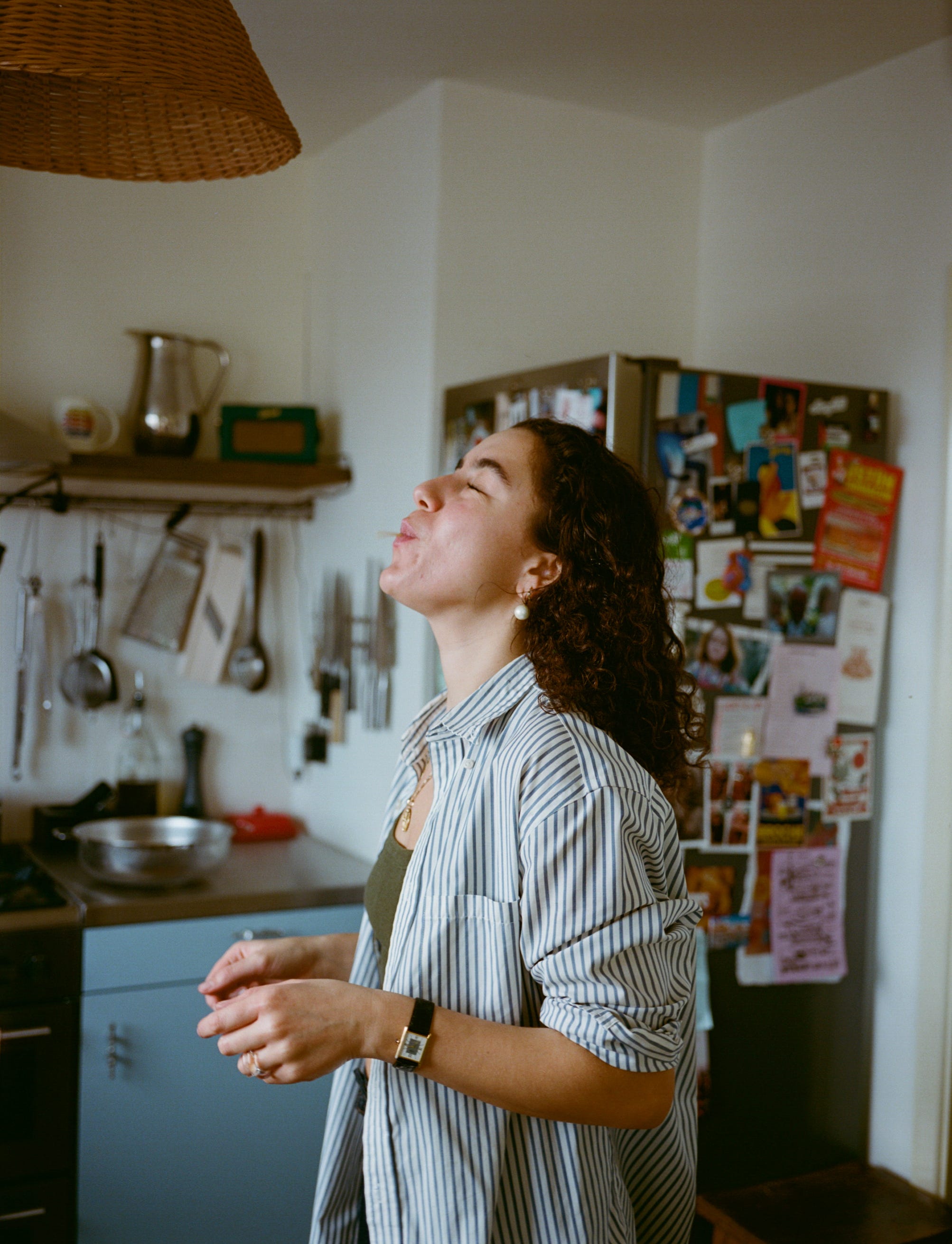
Just by saying the words, I heat up. The salt and the brine, the bright red sauce, the squelching sounds, the twirls of the fork. It’s a dish steeped in flavour and it’s a cheap thrill, rich in its simplicity.
Now, I’m not one for recipes as I never follow them. Is it laziness, impatience, or a sign of my distaste for authority? I believe it’s a touch of ADHD mixed with too much confidence. For this though, I thought I’d consult The Guardian for their conglomerated recipe on puttanesca, making sure to absorb all the references and nuance from many a point of view. And then, as ever, I made the recipe up as I went along.
My version ended up something like this, but I’d love for it to simply be the inspiration and framework from which you personalise your own.
- Ample extra virgin olive oil
- Oregano
- Chilli flakes
- 3 giant garlic cloves, sliced then chopped up
- A handful of Kalamata olives, pitted and rough chopped
- 3 forkfuls of capers in brine, rough chopped
- 8 anchovies in good olive oil, cut into 2cm pieces
- 4 tbsps tomato concentrate
- 500ml passata
- 1 handful of parsley, chopped
- 2 handfuls of basil, chopped
- 1 pack of spaghetti
- Parmesan
- Maldon sea salt
- Freshly ground black pepper
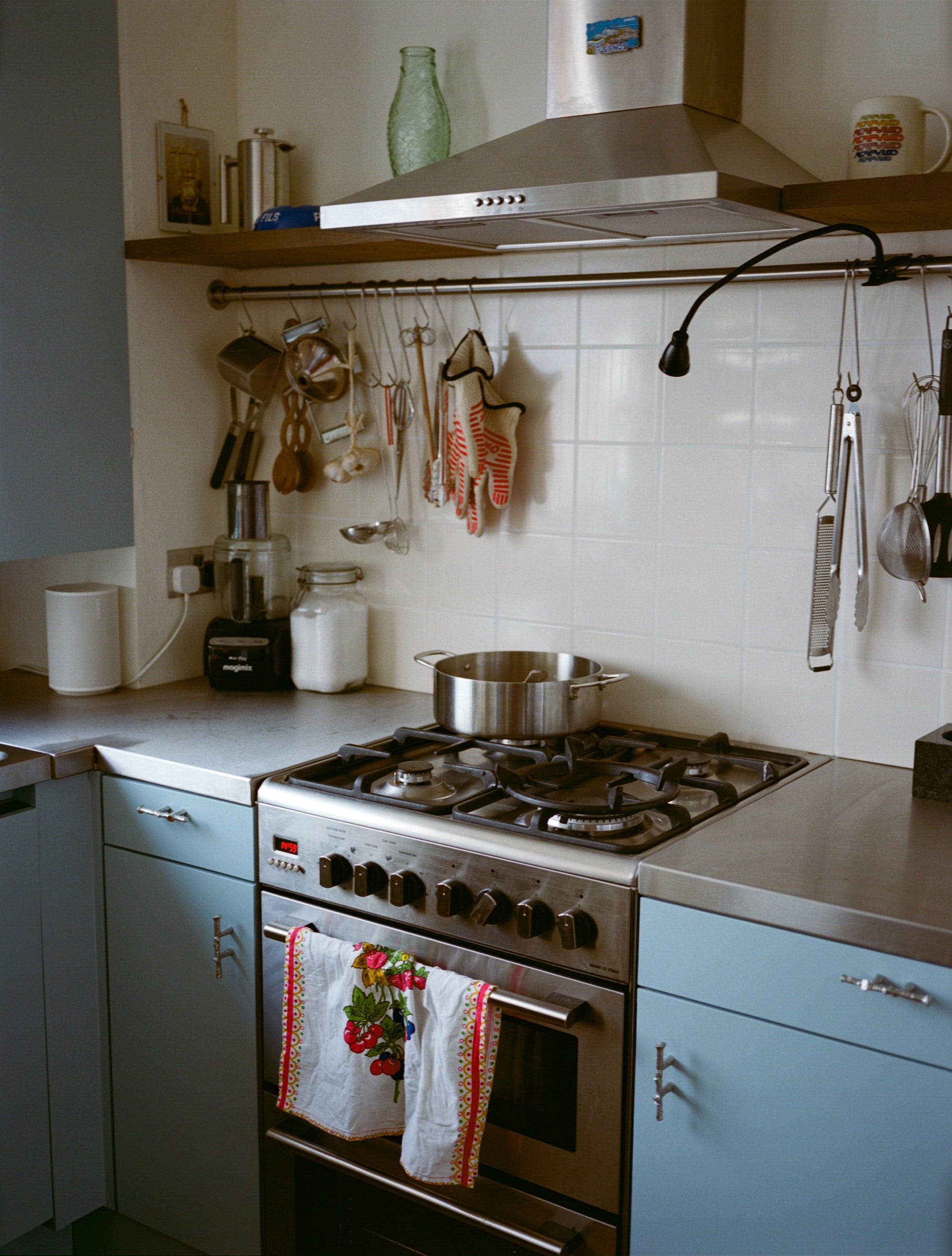
Set yourself up with a heavy-bottomed, deep-ish pan and a wooden spatula or spoon.
Fry your garlic in olive oil over medium heat until it’s smelling good and on the edge of starting to bronze. Add your olives and capers, then your tomato purée, and mix it all together while it’s sizzling, stirring and releasing its brined perfume.
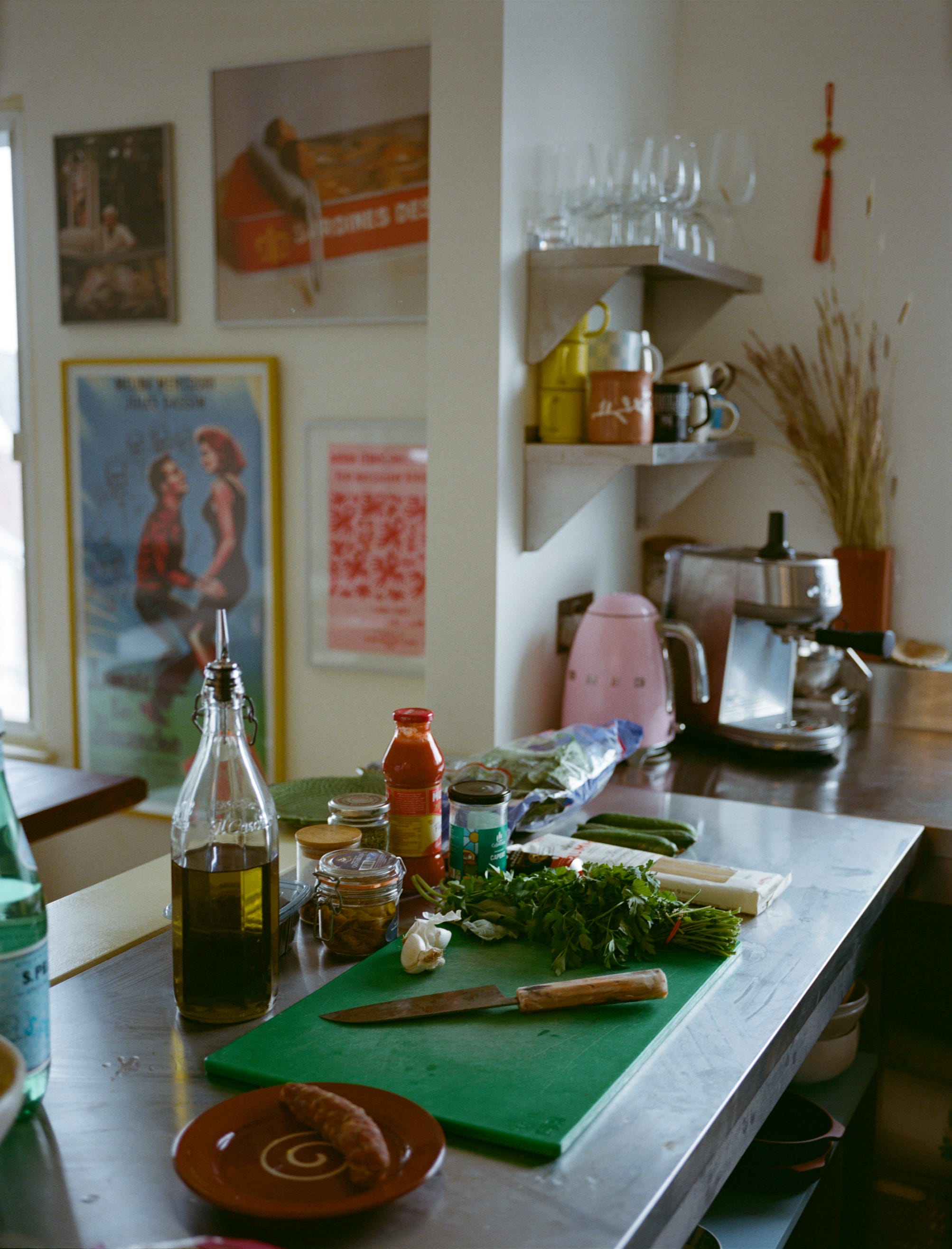
Throw in two pinches of oregano, rubbing it between your fingers as it falls into the pan, to get the aroma going. Then, two pinches of chilli flakes, followed by your anchovies and a teaspoon of pepper.
Mix it through - you should be at an unctuous brown-ish paste stage by now - and add your passata. Turn your heat to low and let the sauce simmer. Add the parsley and half the basil in after 5 mins of simmering, and stir so that it doesn’t stick.
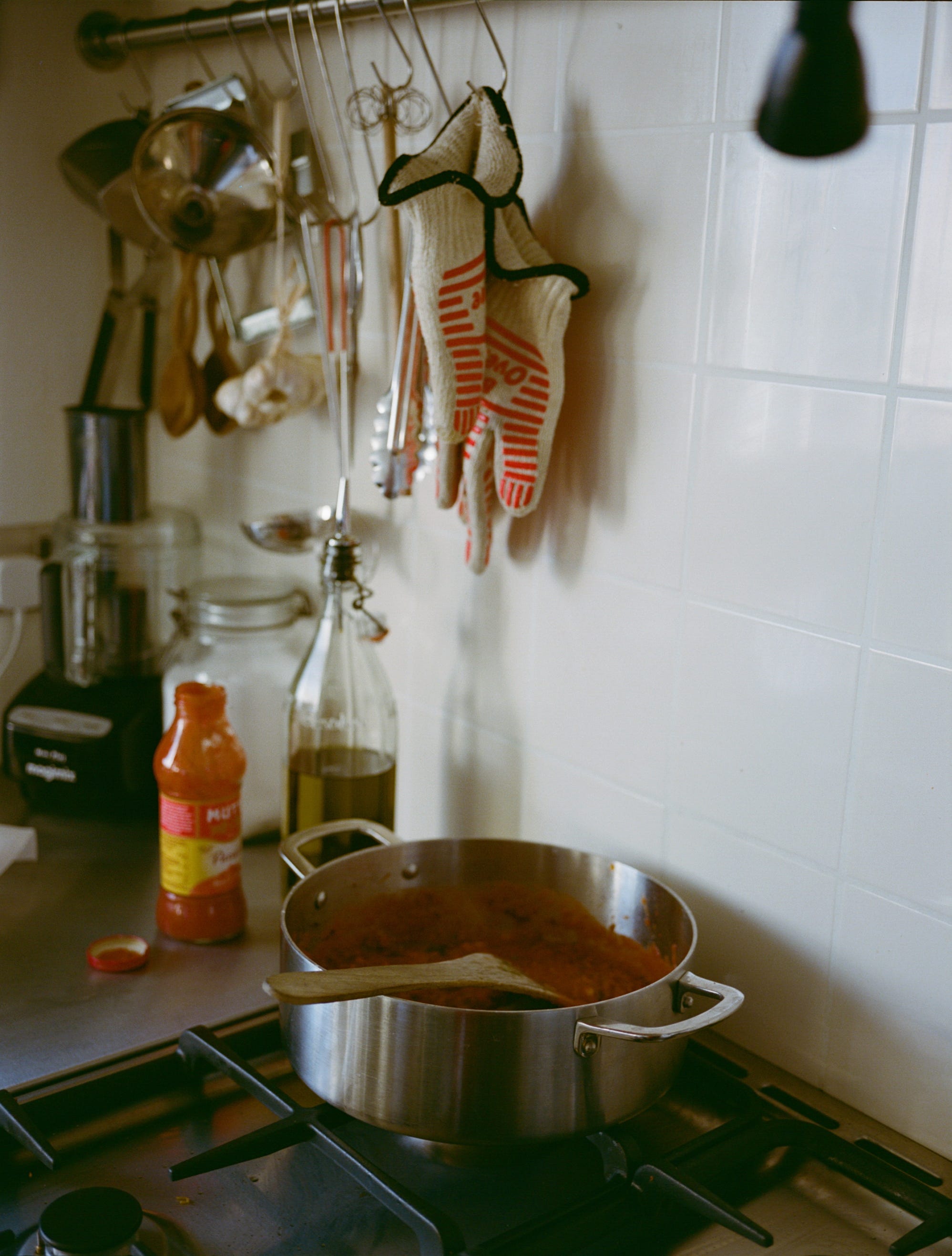
While the sauce is getting thicker, cook your spaghetti in salty water and make sure to take it out a touch before it’s done to your taste. By then, your sauce should be looking thick. Taste to check the seasoning, though it shouldn’t need any salt thanks to all the brininess involved. Of course, you might want more pepper or chilli.
Before draining your pasta, pour 3 tbsps of the water into the sauce to loosen it, then drain and add as much as you like to your sauce. I used all but a large handful, and it was well-coated and perfectly squelching.
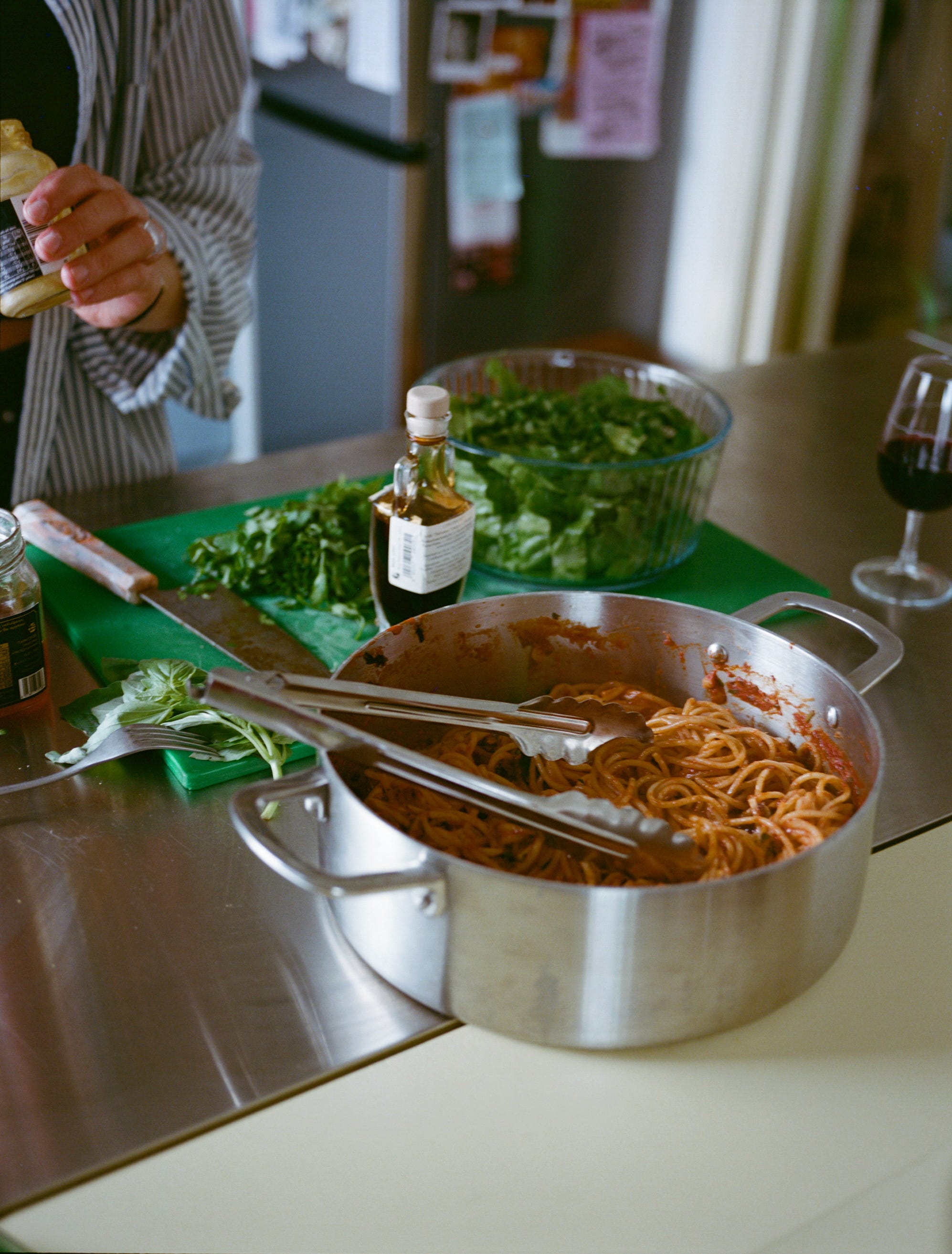
Never forget that you need your pasta to be underdone when drained so that it can soften a little more in its sauce, swimming in the red heat and getting slick - but not sludge - as it sinks in.
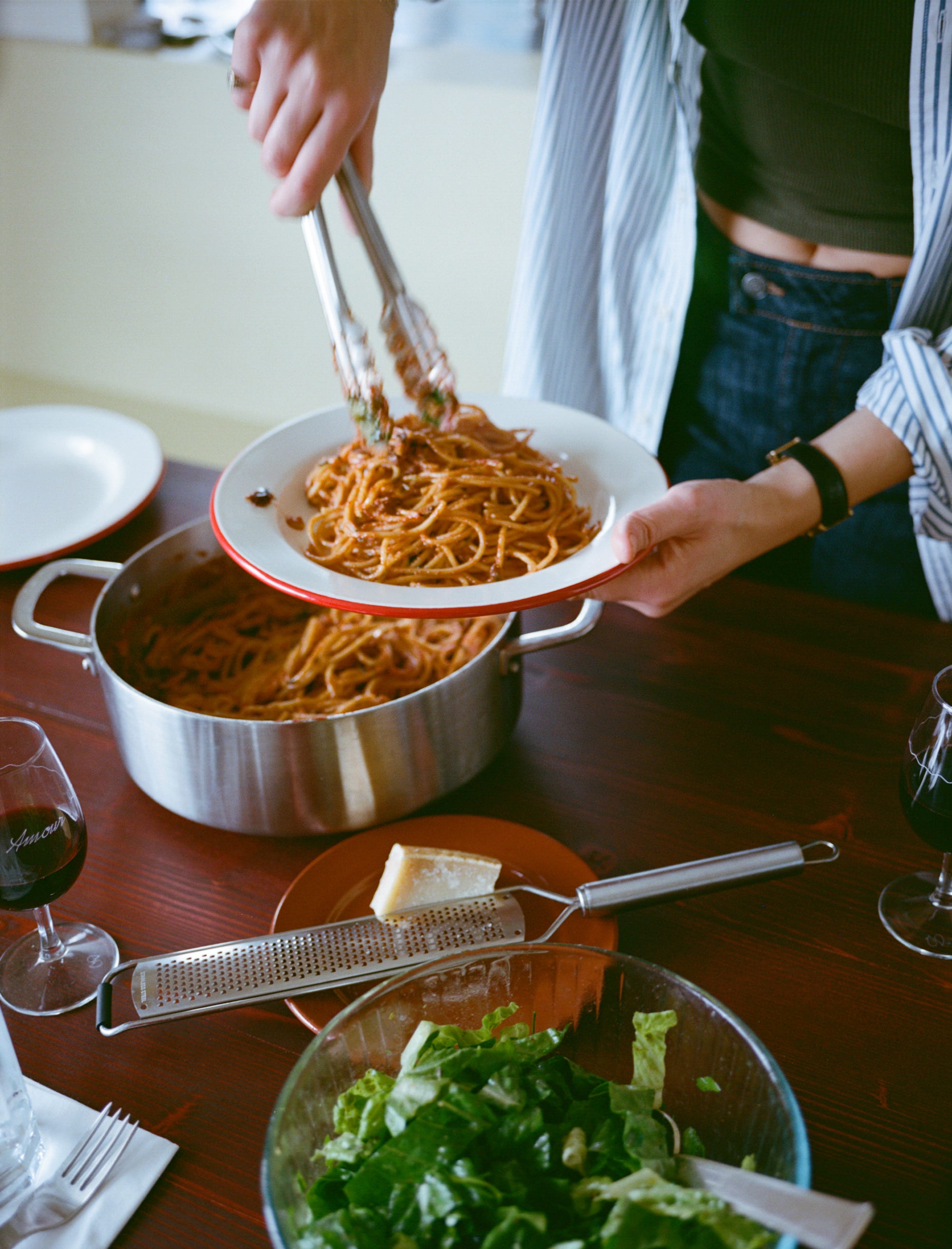
Take your pot to the table and finish with a heavy drizzle of olive oil and the other half of the basil scattered over the top. Tongs to dish it out and Parmesan to grate per plate. Or maybe a pangrattato could be better, as some say fish and cheese shouldn’t cohabitate.
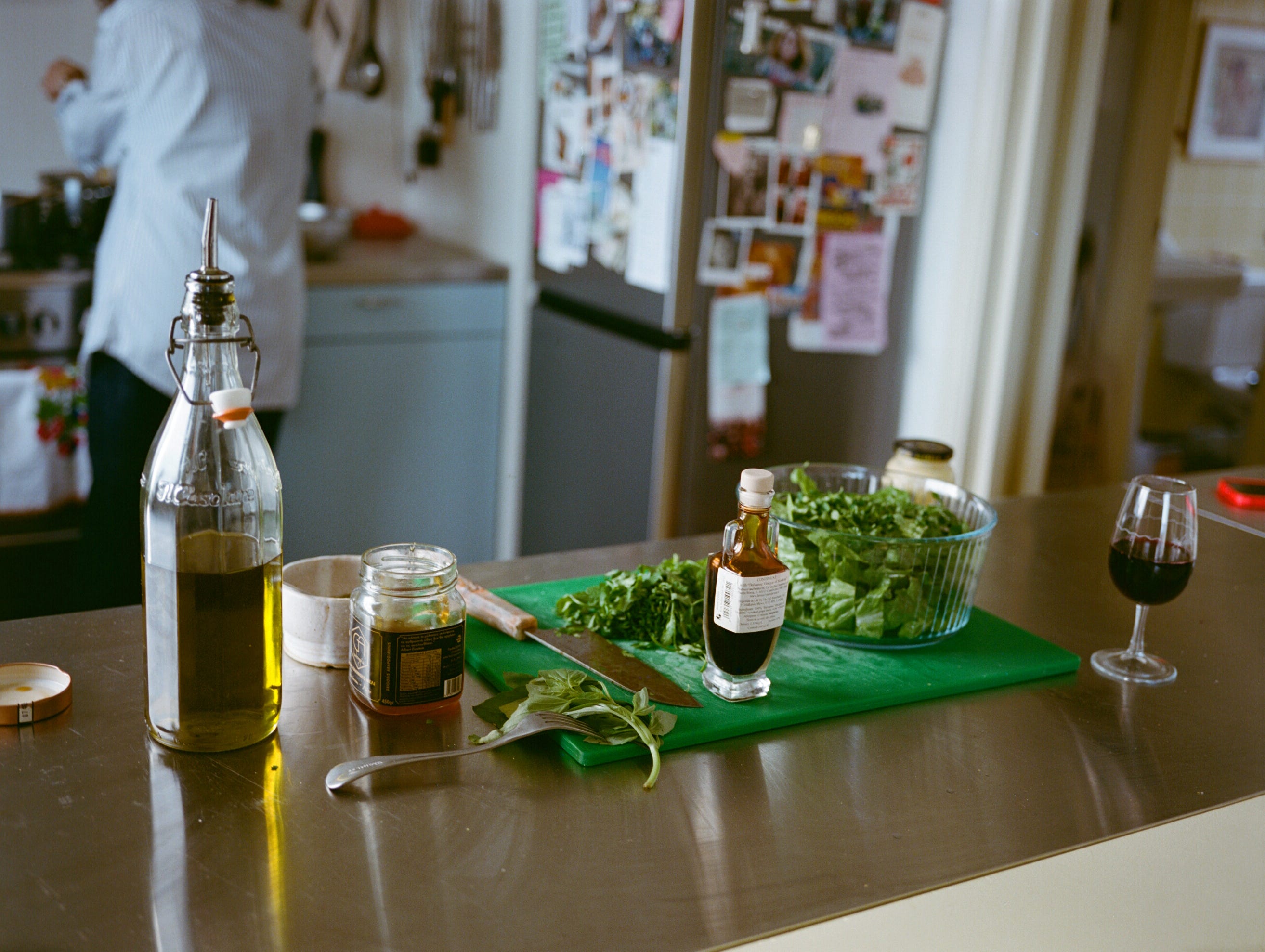
I served my puttanesca with the remains of pre-lunch snacks - crisp salad (a layered bowl of oregano Lays, salt and pepper Tyrell’s, Roman onion taralli) and fennel salami - and sides of mustard/honey/balsamic dressed romaine and sliced and salted cucumbers. Plus, cold fizzy Garnacha to drink.
There was also tiffin for dessert, but more on that - my archive and affliction - some other time.
If you’ve read this far, excellent, and if you make a puttanesca and think of me while you riff, I’m touched.
 | A guest post by
|